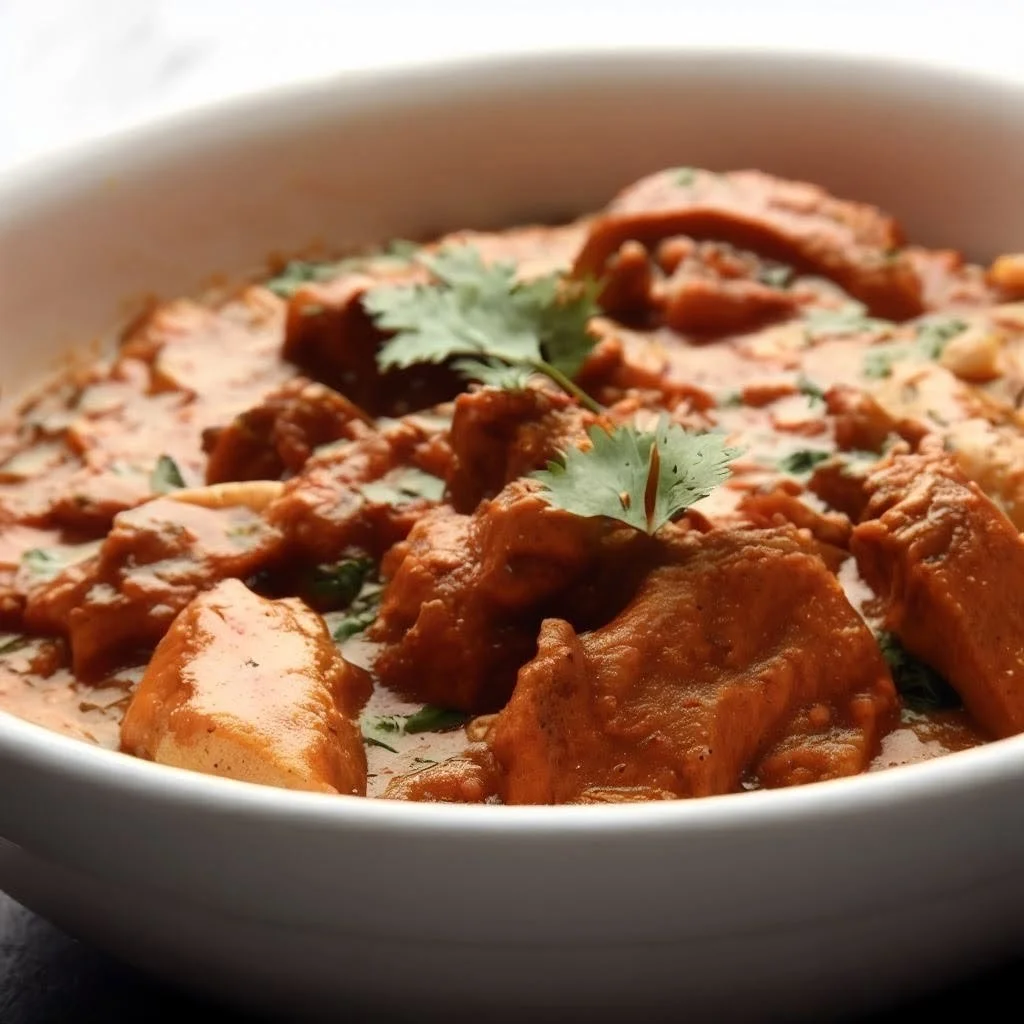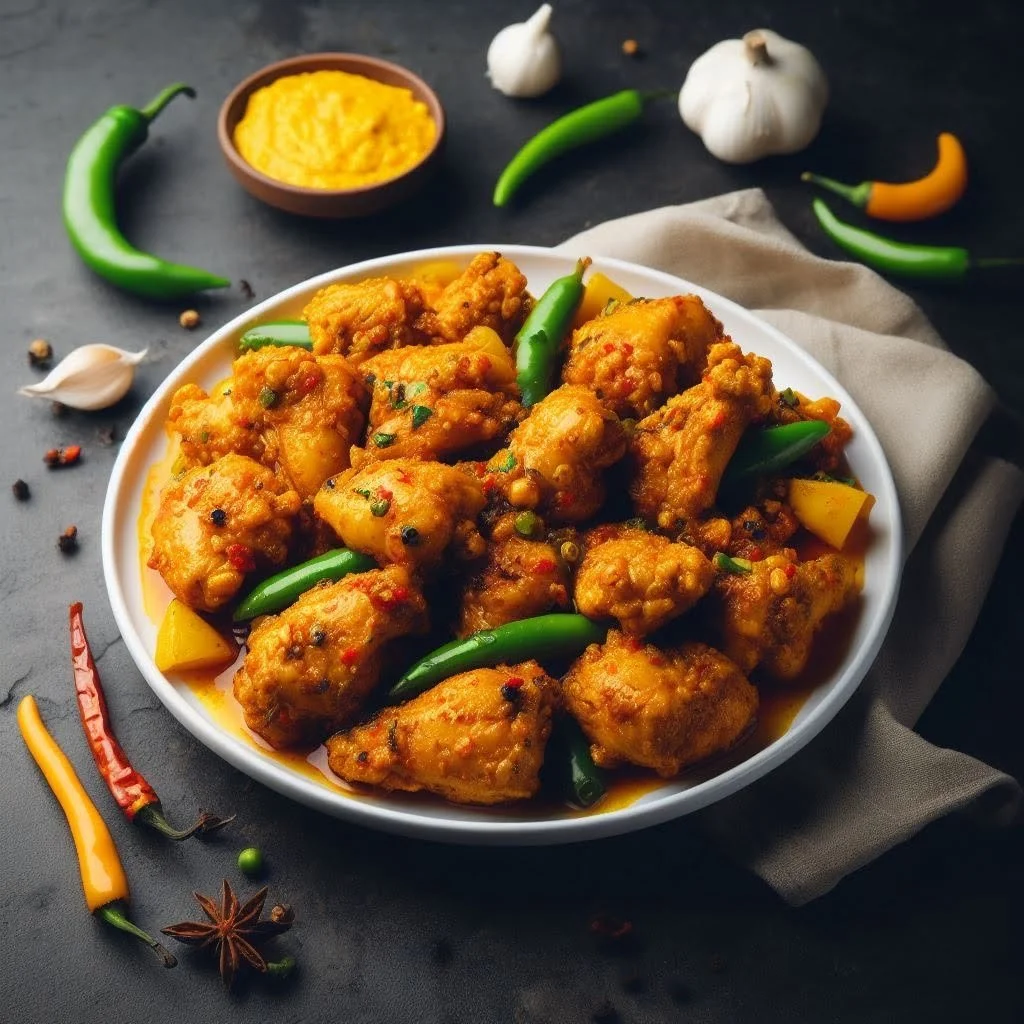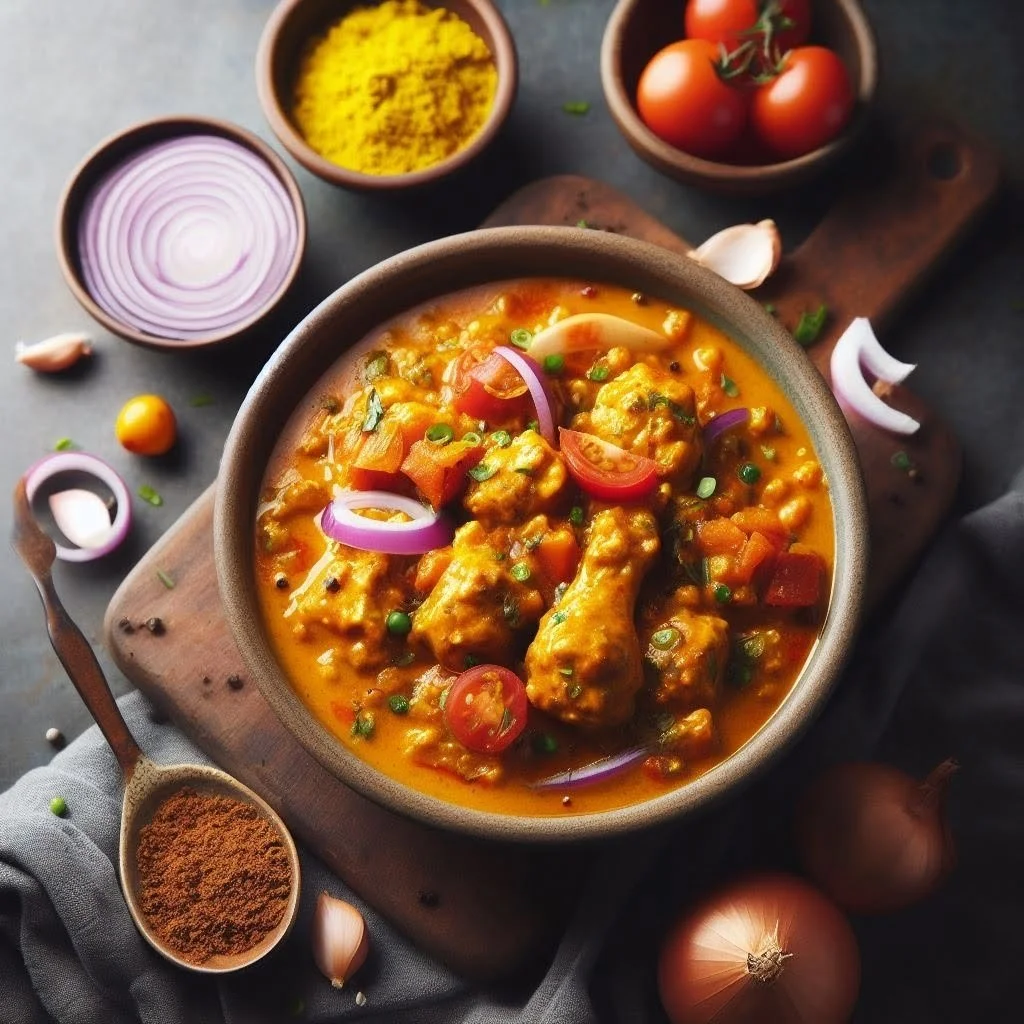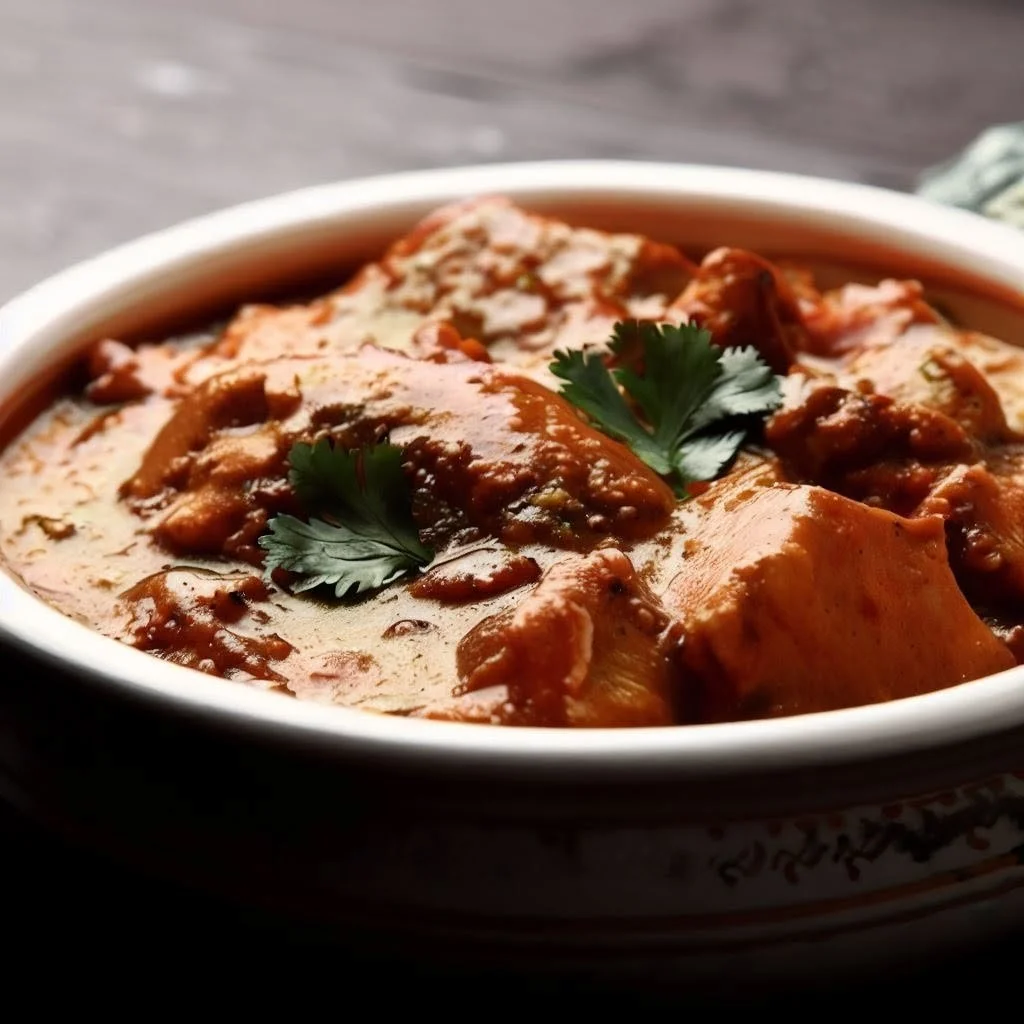

Masor Tenga is the soul of Assamese cuisine – a light, tangy, and utterly refreshing fish curry that embodies the simplicity and elegance of North Eastern Indian cooking. In Assamese, ‘Masor’ means fish and ‘Tenga’ means sour, perfectly describing this beloved dish that graces every Assamese thali. Unlike heavy, cream-laden curries, Masor Tenga relies on the natural tang of tomatoes, the warmth of mustard oil, and the delicate flavor of fresh river fish to create a dish that is both comforting and invigorating. This traditional recipe is especially popular during the hot summer months, as its sour notes are believed to aid digestion and cool the body.
What is Masor Tenga?
Masor Tenga is a signature dish of Assam, representing the essence of Northeast Indian cooking. The name itself tells you what to expect: ‘Masor’ means fish, and ‘Tenga’ means sour or tangy. This traditional fish curry is characterized by its light,refreshing broth that gets its distinctive sourness from tomatoes or sometimes from ingredients like elephant apple (ou tenga) or lemon. Unlike the rich, creamy curries found in other parts of India, Masor Tenga is intentionally light and clean-tasting, making it the perfect dish for hot summer days or after heavy meals.
Why You Will Love This Recipe
Before we dive into the recipe, here’s why this Masor Tenga will become a regular in your kitchen:
Light and digestive: Unlike heavy curries, this dish is light on the stomach and actually aids digestion
Quick and easy: Ready in under 45 minutes with minimal prep work
Authentic Assamese flavors: Uses traditional ingredients like mustard oil and fenugreek seeds
Healthy and nutritious: Low in calories, high in protein from fresh fish
Perfect for summer: The sour notes refresh and cool the body naturally
Versatile: Works beautifully with any freshwater fish like rohu, catla, or even hilsa
Ingredients for Masor Tenga
Here’s everything you’ll need to make authentic Assamese Masor Tenga:
Details
For the Fish:
500 grams freshwater fish (rohu or catla), cut into steaks
1/2 teaspoon turmeric powder
1/2 teaspoon salt
3 tablespoons mustard oil
For the Curry:
2 tablespoons mustard oil
1/2 teaspoon fenugreek seeds (methi dana)
1 large onion, thinly sliced
3-4 large ripe tomatoes, roughly chopped
2-3 green chilies, slit
1/2 teaspoon turmeric powder
1 medium potato, boiled and mashed (optional)
Salt to taste
2 cups warm water
Juice of 1/2 lemon
Fresh coriander leaves for garnish
Step-by-Step Instructions: How to Make Masor Tenga
Step 1: Marinate and Fry the Fish
Wash and pat dry the fish steaks. Rub them with turmeric powder and salt on both sides. Let them marinate for 10 minutes. Heat 3 tablespoons of mustard oil in a pan until it reaches smoking point, then lower the heat to medium. Gently fry the fish steaks for 2-3 minutes on each side until lightly golden. Remove and set aside on kitchen paper.
Step 2: Prepare the Base
In the same pan with remaining oil (add 1-2 tablespoons more if needed), heat the oil until smoking. Add fenugreek seeds and let them crackle – they’ll release a beautiful nutty aroma. Immediately add the sliced onions and green chilies. Sauté for 2-3 minutes until the onions turn translucent.
Step 3: Cook the Tomatoes
Add the chopped tomatoes and turmeric powder. Season with salt and cook for 8-10 minutes, stirring occasionally, until the tomatoes break down completely and become mushy. You can use the back of your spoon to mash them. If using mashed potato, add it now and mix well – this will give the curry a slightly thicker, creamier consistency while keeping it light.
Step 4: Add Water and Simmer
Pour in 2 cups of warm water and bring the curry to a gentle boil. The curry should have a thin, soup-like consistency – this is characteristic of Masor Tenga. Adjust salt and let it simmer for 3-4 minutes for the flavors to meld together.
Step 5: Add Fish and Finish
Gently slide the fried fish pieces into the simmering curry. Reduce the heat to low, cover, and cook for 5-6 minutes. The fish will absorb the tangy flavors beautifully. Turn off the heat, squeeze lemon juice over the curry, and garnish with fresh coriander leaves. Let it rest for 2 minutes before serving.
Pro Tips for Perfect Masor Tenga
Use fresh river fish: Rohu (rui) and catla (bahu) are traditional choices. Avoid saltwater fish for authentic flavor
Don’t skip the mustard oil: It’s essential for that authentic Assamese taste. Heat it until smoking, then cool slightly before cooking
Fenugreek is key: The slight bitterness of fenugreek seeds balances the sourness perfectly
Keep it light: Masor Tenga should have a thin, broth-like consistency, not thick like other curries
Adjust sourness: If tomatoes aren’t sour enough, increase lemon juice. Some also use elephant apple for traditional sourness
Add vegetables: Ridge gourd (jika) or bottle gourd (lau) are traditional additions that work beautifully
What to Serve with Masor Tenga
Masor Tenga is traditionally enjoyed with:
Steamed white rice: The classic and most authentic pairing
Aloo Pitika: Mashed potatoes mixed with mustard oil, onions, and green chilies
Mixed vegetable stir-fry: A simple sabzi with minimal spices
Dal: A simple moong dal or masoor dal
Fresh green chili on the side: For those who like extra heat
Cultural Significance
In Assamese culture, Masor Tenga holds a special place. It’s believed that the sourness of this curry aids digestion, which is why it’s often served after rich meals or during hot summers. The dish showcases the Assamese philosophy of cooking – simple, fresh, and letting the natural flavors shine through without heavy spices or cream.
Variations to Try
Ou Tenga Masor Tenga: Use elephant apple instead of tomatoes for traditional sourness
Thekera Masor Tenga: Made with dried Garcinia (thekera) for a deeper sour flavor
Bilahi Masor Tenga: This version, using tomatoes, is the most common and easiest to make
With Ridge Gourd: Add chopped ridge gourd (jika) along with tomatoes for extra nutrition
With Bottle Gourd: Bottle gourd (lau) makes it even lighter and more refreshing
Frequently Asked Questions
Can I use any other fish?
Yes! While rohu and catla are traditional, you can use any firm white fish. Avoid oily fish like mackerel as they change the flavor profile.
Can I make it without frying the fish first?
You can, but frying seals the fish and prevents it from breaking apart in the curry. It also adds depth to the flavor.
How do I store leftovers?
Store in an airtight container in the refrigerator for up to 2 days. Reheat gently on low heat. The flavors actually intensify overnight!
Can I make it less sour?
Absolutely. Reduce the tomatoes and lemon juice. You can also add a pinch of sugar to balance the tanginess.
Is it gluten-free?
Yes, Masor Tenga is naturally gluten-free, making it perfect for those with dietary restrictions.
Final Thoughts
Masor Tenga is more than just a recipe – it’s a taste of Assamese culture and tradition. This light, tangy fish curry embodies the simplicity and elegance of Northeast Indian cuisine. Once you try this authentic version, you’ll understand why it’s been a staple in Assamese homes for generations.
Give this recipe a try and experience the refreshing flavors of Assam. If you enjoyed this Masor Tenga, explore more Northeast Indian recipes on our blog!
Prep Time: 15 minutes | Cook Time: 25 minutes | Total Time: 40 minutes | Servings: 4 | Cuisine: Assamese | Course: Main Course